
Reviews
Description
Physics as the Central Obstacle
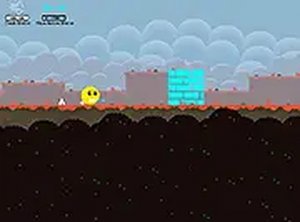
Second Chance Leap Platformer builds its challenge around a physics engine that makes the character react unpredictably to contact. Hitting a swinging barrier or landing awkwardly after a fall produces ragdoll-style motion rather than a clean stop. That unpredictability is the point: each attempt plays out slightly differently, so success depends on reading the rhythm of a stage and positioning the character before committing to a jump. The comedy of a clumsy tumble softens what would otherwise be a punishing platformer.
Stage Structure and Star Placement
Every level is a self-contained course with a clear start and exit. Between those two points, barriers swing, slide, or collapse, forcing players to time their movement rather than rush through. Stars sit in deliberately awkward spots — above a gap, behind a moving block — and collecting them is optional. That optionality matters: stars reward curiosity and repeat visits without blocking progress for players who just want to reach the exit.
Character Unlocks and Replay Value
Accumulating enough stars opens up alternate character appearances. Controls stay identical across characters, so the unlock system functions as a visual reward and a progress marker rather than a gameplay overhaul. The practical effect is that stars become worth chasing, which nudges players back into earlier stages to refine their routes and improve their collection rate.
Designed for Younger Players
There are no mature themes or disturbing imagery here. The content stays focused on coordination and puzzle-solving, and the lighthearted ragdoll reactions keep failure from feeling harsh. Parents looking for a game that encourages patience and strategic thinking without inappropriate material will find the design consistent with that goal.
Compatibility
Faq
Player Comments
Sign in to comment
You must be logged in before posting a review or rating.
No comments yet. Be the first to comment!




Editorial Notes