
Reviews
Description
Puzzle Mechanics and Player Goals
Logic Labyrinth presents 100 distinct logic challenges. Each puzzle asks you to identify patterns, sort elements, or plan a sequence of moves. Early puzzles rely on simple color matching and shape recognition, while later ones introduce multi-step reasoning. The game never uses timers or reflex-based mechanics, so you can think through every problem at your own pace. This design encourages careful observation and methodical thinking rather than quick reactions.
Difficulty Progression and Structure
The puzzles are arranged in a clear order that gradually increases in complexity. The first 20 rounds focus on basic pattern recognition, giving newcomers a gentle introduction. Around round 30, new mechanics appear that require combining two or more strategies. By the final stages, you must adapt to unexpected twists that test flexible thinking. The difficulty rises smoothly, so no single puzzle feels like an impossible wall.
Visual Style and Family Appeal
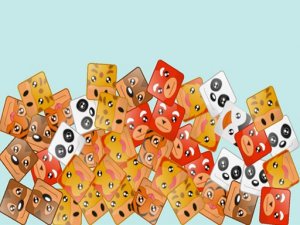
Graphics use bright, cheerful colors with simple shapes and friendly character designs. There are no frightening or violent images anywhere in the game. Controls are minimal and intuitive, making it easy for young children to participate with minimal help. The lack of timers or scoring pressure means families can play together without stress. This makes the game suitable for multi-generational play sessions where adults and kids collaborate on solutions.
Narrative and Motivation
A light story runs through the puzzles: a character is trying to return home after being separated from their family. Each solved puzzle moves the story forward, with small narrative rewards that celebrate progress. The story is never heavy or dramatic, serving only as gentle motivation. Players who enjoy a sense of purpose will find the narrative adds meaning to each completed round without distracting from the puzzles themselves.
Compatibility
Faq
Player Comments
Sign in to comment
You must be logged in before posting a review or rating.
No comments yet. Be the first to comment!


Editorial Notes