
Reviews
Description
What You Actually Do
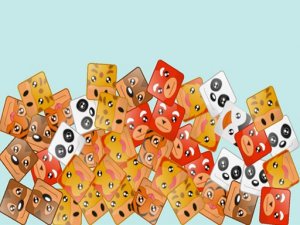
The board is filled with colorful objects, and your job is to find clusters of three or more identical items and clear them. Clicking or tapping a valid group removes it, and the goal is to finish the level before the timer expires. There is no story to follow and no inventory to manage; the entire loop is scan, match, repeat. That simplicity is the point, though it also means the game lives or dies by how satisfying each clear feels.
How Difficulty Scales
Early boards are forgiving, with obvious groups and generous time. As you advance, the arrangements become tighter and the clock matters more. You start planning two or three moves ahead instead of reacting to whatever is directly under your cursor. The game rewards efficiency: larger matches and quicker decisions both help, so the real skill is reading the board fast without panicking. [IMG_1]
Why the Panda Theme Works
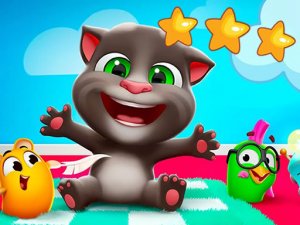
A panda mascot and warm color palette give the game a consistent tone that matches its family-friendly tag. The visual feedback on successful matches reinforces the clearing loop, which is what keeps a casual puzzler from feeling like busywork. It is not a deep aesthetic statement, but it is coherent, and that matters when the core mechanic is this repetitive.
Who Should Play
This is aimed at players who want a low-stakes mental warm-up rather than a narrative or competitive experience. Kids and adults can both pick it up because the rules are visible on screen and the controls are intuitive. If you want progression systems, unlockables, or multiplayer, the input does not suggest any of those are present. What it offers is a timer, a board, and a panda.
Compatibility
Faq
Player Comments
Sign in to comment
You must be logged in before posting a review or rating.
No comments yet. Be the first to comment!



Editorial Notes