
Reviews
Description
What You Actually Do
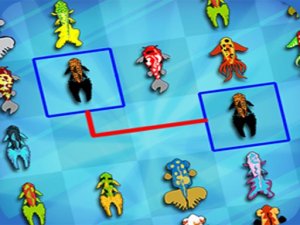
Every tile on the board hides a different animal illustration. Tapping or clicking a tile flips it face-up. The challenge is not the flipping itself, but remembering which animal appeared where. You flip two tiles per turn; if they match, they stay face-up. If they do not, both flip back after a brief pause. The level ends when every pair has been matched. A move counter runs throughout, giving you a simple way to measure how efficiently you cleared the board.
Why the Difficulty Curve Works
Early layouts are small and forgiving, which lets younger players learn the basic rhythm without frustration. As you progress, the arrangement becomes more complex, placing more tiles and more animal pictures on the board. That increase is gradual rather than sudden, so memory skills develop alongside the puzzles. There are no timers, no penalties for wrong guesses, and no reading required. The only pressure comes from your own move count.
Designed for Short, Quiet Sessions
The game runs directly in a web browser with no download or installation. That makes it easy to open during a short break or a longer quiet stretch. The animal artwork is colorful and friendly, and the overall tone stays calm. Because the rules are instantly clear, children and adults can both start playing without instructions. Each level presents a fresh arrangement, so the board does not feel repetitive after a few rounds.
How to Improve Your Matching
Flipping tiles in a consistent order, such as row by row, gives your memory a structure to work with. Watch each animal carefully as it is revealed, and accept that wrong guesses are part of the process. If you feel stuck, a short break often clears your head better than pushing through. The move counter is there for self-improvement, not as a source of stress.
✅ Compatibility & Testing
Faq
Player Comments
Sign in to comment
You must be logged in before posting a review or rating.
No comments yet. Be the first to comment!



Editorial Notes